Event-Driven Antifraud in eCommerce
Published on: 2024-08-10 18:29:56
Introduction to event-driven antifraud in eCommerce
Event-driven antifraud in eCommerce is an important part of running an online business. Fraudsters often use bots and stolen personal information to make purchases with stolen payment cards, and that activity can cause direct financial losses. In this article, we look at methods used to prevent fraud and how a rule engine can evaluate collected events to make clear decisions.
Bot prevention on the infrastructure layer
One of the main ways to prevent fraud is bot prevention on the infrastructure layer. This can include techniques such as browser fingerprinting, which makes it harder for automated scripts to mimic the behavior of a real user. If all components must be requested from the server, rather than only limited information, bots have a harder time accessing the data they need to complete fraudulent purchases.
Using behavioral analytics to prevent fraud
More advanced bots, such as headless browsers or fully automated browsers, are harder to detect. Headless browsers can be identified through browser profiling and fingerprinting scripts, but their fingerprints are often similar. Fully automated browsers can have installed plugins and more complex behavior, which makes concentrations in the data harder to spot.
To prevent fraud from these more advanced bots, behavioral analytics can help. By collecting data on how normal users behave during the purchasing process, you can identify deviations from that baseline and flag them as potentially fraudulent. Factors to track include time spent at each step, consistency of technical information such as the browser fingerprint, and the IP address.
Events to Track in the eCommerce Shopping Process
Here is a list of events that can be tracked within the ecommerce shopping process:
- Sign up
- Adding an item to a basket
- Filling in delivery details
- Starting the payment process
- Finishing the payment process
- Viewing product pages
- Searching for products
- Adding products to a wishlist
- Sharing products on social media
- Leaving reviews or ratings for products
- Clicking on ads or marketing emails
- Abandoning the shopping cart
- Returning to the site to make additional purchases
- Subscribing to newsletters or email lists
- Referring friends or family to the site
All of this information should be stored and used for analytics to identify deviations from normal behavior and flag potentially fraudulent activity during the eCommerce shopping process.
The role of a rule engine in fraud prevention
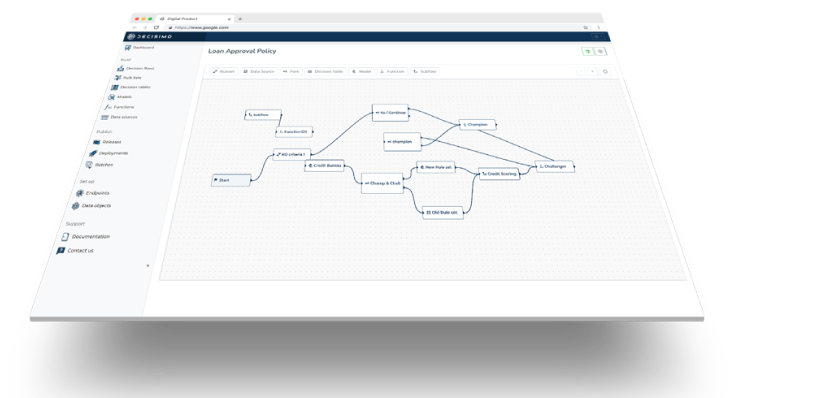
A rule engine can make decisions based on collected events and help prevent fraud by defining rules for what behavior is considered normal.
For example, a rule could flag any purchasing process that takes less than 1 minute as potentially fraudulent.
By updating and refining these rules over time, the rule engine can become more effective at identifying and preventing fraudulent activity.
An effective approach to preventing fraud in eCommerce
In conclusion, event-driven antifraud in eCommerce is important for protecting your business from financial losses caused by fraudulent activity.
By using bot prevention on the infrastructure layer and behavioral analytics, you can identify and prevent fraudulent behavior more effectively.
A rule engine can evaluate collected events and support clear decisions, while ongoing rule updates improve fraud prevention over time.