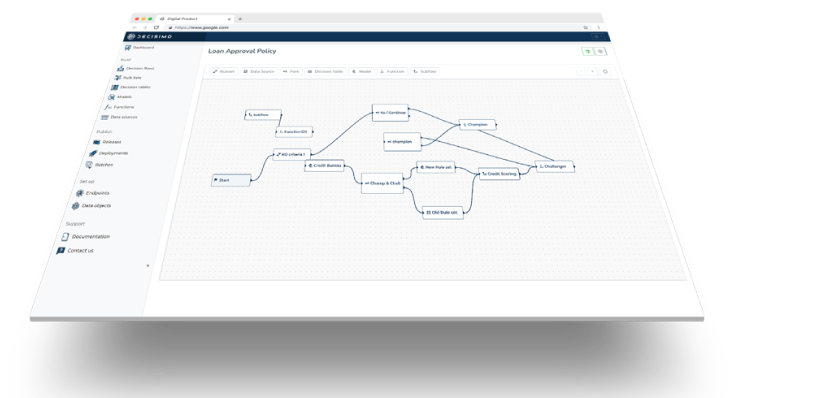
Advanced Fraud Rule Engines: Complex Policies and Third-Party Data
Published on: 2024-08-10 18:29:56
In ecommerce and online payments, fraud prevention is not just about detecting malicious activity. It is also about stopping it early. Fraud patterns are more complex now, so teams need a stronger approach to data enrichment and an antifraud policy that combines multiple data sources and rule sets. A modern fraud rule engine sits at the center of that setup.
Multiple Data Sources for Maximum Fraud Detection
An effective fraud rule engine needs to call multiple data sources at the same time. This improves fraud detection and helps protect the customer experience. Sequential data calls can create delays and disrupt the user journey. That is why parallel data sourcing matters.
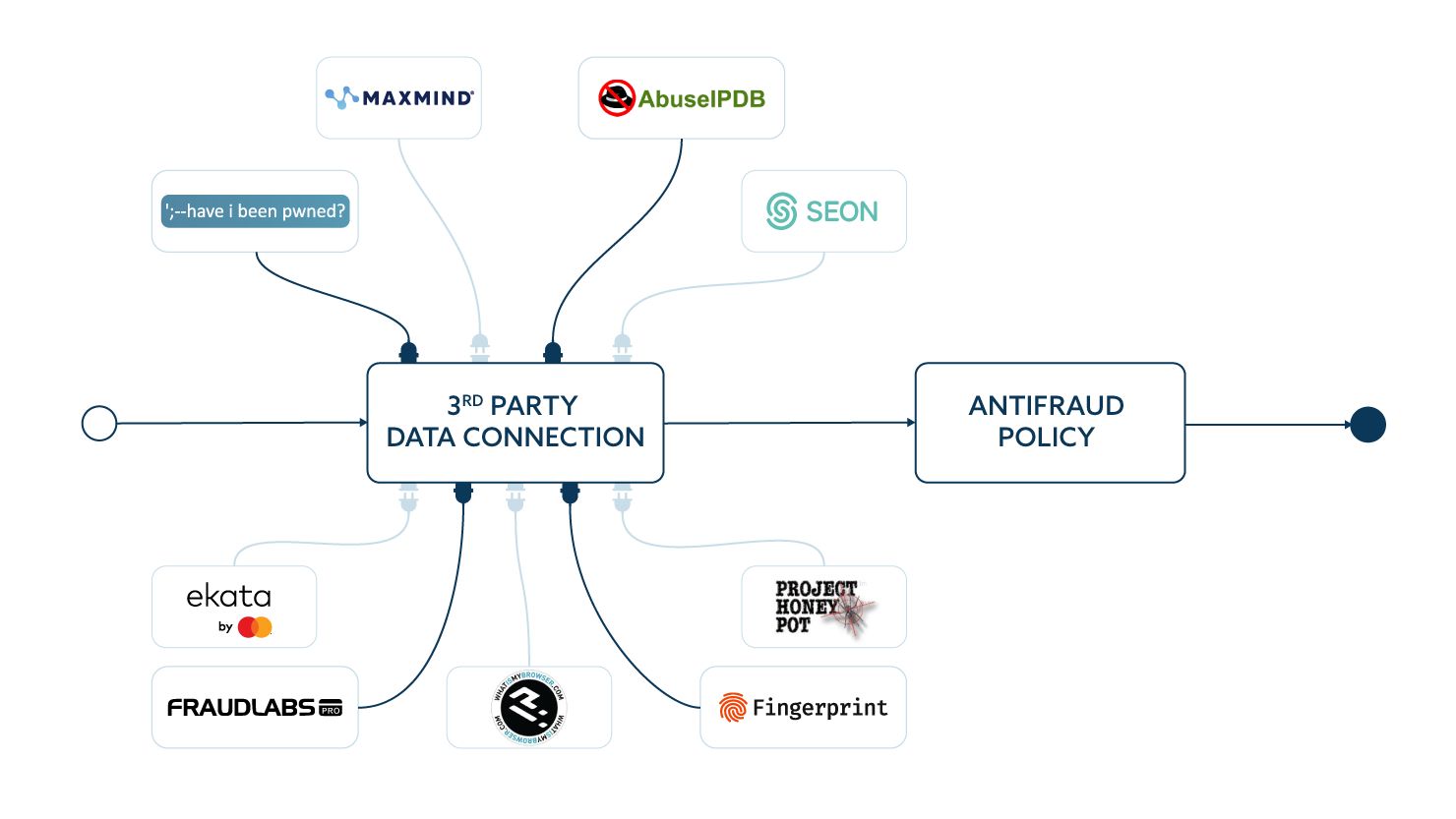
These data sources can include:
- IP-focused: Data enrichment based on IP addresses.
- Email-focused: Data enrichment built around email addresses.
- Verification Processes: Physical address verification.
- Transaction Risk Evaluation: Enrichment and scoring of the full transaction to assess risk.
Behavioral Information and Social Network Presence
Beyond these standard data sources, an effective fraud rule engine also uses behavioral information from browser or device fingerprinting and social network presence. This adds another layer to existing security controls and makes antifraud policies more precise.
Scoring and Machine Learning
Once the data is aggregated, the next step is scoring. Many advanced teams use machine learning models for this. Logistic regression, random forest, and gradient boosting are common methods. Even with these scoring techniques, rules still matter. They define knockout criteria.
Segmentation and Decision Making
The final part of an antifraud policy is segmentation and decision making. The standard outcomes from an antifraud system are APPROVE, REJECT, and REVIEW, where REVIEW means manual review is required.
Recent trends also show more 'ESCALATE' decisions. These add extra verification steps or request more information from the user. This creates another layer of security without immediately rejecting the transaction.
To handle more complex fraud, a modern fraud rule engine must integrate multiple data sources, use behavioral information, apply scoring methods, and support precise segmentation and decision logic. That helps teams keep transactions secure while maintaining a smooth user experience.