Credit limit management for BNPL / Consumer lending
Published on: 2024-08-10 18:37:05
There are two main points when a credit limit should be evaluated for a customer in BNPL or consumer lending. The first is new loan underwriting. The second is during the upsell and cross-sell stage. Another important part, which is often missed, is credit limit re-evaluation based on behavioral signals during portfolio monitoring.
In new loan underwriting, you need to assess the credit risk of a potential customer and set the credit limit using historical data such as payment records and borrowing behavior. For example, if a customer has paid on time and used credit responsibly, she is likely to qualify for a higher credit limit.
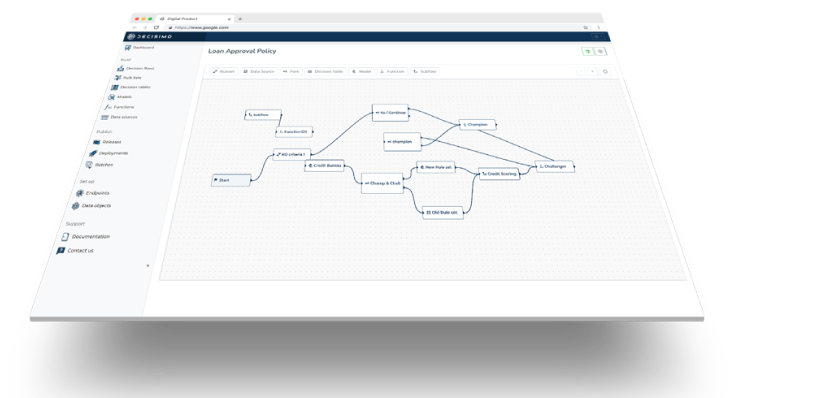
When the customer already has an account, you need to assess whether she is likely to default. If not, you can offer a higher credit limit. If the risk has increased, you should be careful about raising it.
There are several factors to consider when setting or adjusting a credit limit:
- The customer's credit score
- The customer's credit history
- The customer's income and employment stability
- The customer's current debts
- The customer's spending habits
- The customer's other assets
- The customer's age
- The customer's history with the company
- The customer's repayment history
- The customer's overall financial health
Traditionally, companies choose to change credit limits only upward. But in some cases, it is necessary to lower a customer's credit limit. Reasons to lower a credit limit may include:
- The customer has missed payments or paid late
- The customer has maxed out the credit limit
- The customer has a high debt-to-income ratio
- The customer has been approved for a new loan with a higher interest rate
- The customer has applied for a new credit card
- The customer has lost their job
- The customer has filed for bankruptcy
- The customer has a lower credit score than when the limit was first approved
The process of evaluating and adjusting credit limits should be handled carefully, especially in a weaker macroeconomic environment. A practical approach is to run portfolio reviews weekly using internal data, and monthly with support from credit bureau checks.
A practical setup is to define a standard limit calculation and reuse the same decision logic across credit underwriting, cross-selling, and portfolio limit monitoring.