Estimating the Costs of the Collections Process for a Portfolio Acquisition
Published on: 2024-08-10 18:35:48
When assessing the costs of the collections process for a portfolio, you need a clear view of the historic performance of similar debt recovery cases.
You can gather this data by measuring the share of recovered sums and the time needed to recover them, in weeks, months, or years.
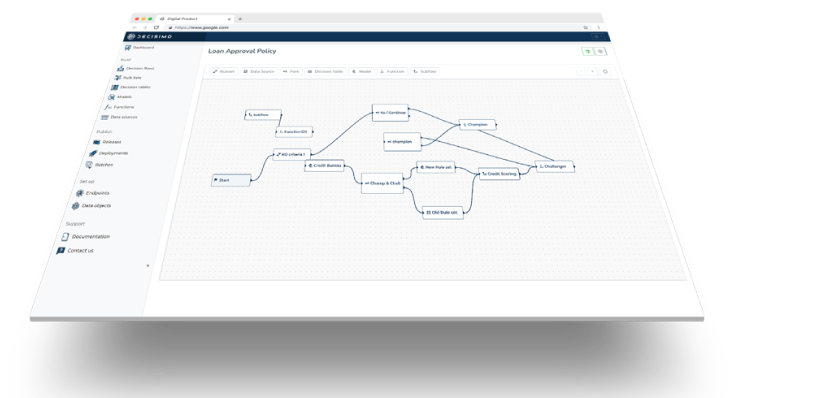
You also need to account for the costs tied to the collections process, such as salaries for call center operators or field workers, phone call costs, postage, and personal visits.
How to Determine Debt Recovery Costs
Once you understand the historical performance of debt recovery and its related costs, the next step is to estimate future recovery effectiveness and the costs attached to it.
This means projecting the share of recovered sums and the time needed to recover them in future, based on how long you expect to stay active in debt recovery.
You should also estimate future debt recovery costs and define the profit level you want to achieve.
How to Estimate Future Debt Recovery
To determine the maximum price you are willing to pay for the portfolio, factor in the data collected on past and expected debt recovery performance, along with the costs tied to the collections process.
You should also consider the following minimum details for portfolio evaluation:
- The number and average amount of debts in the portfolio
- The source of debts, such as bank debts, mobile operators, or energy providers, and the specific products
- Separation of secured and unsecured debts
- Type of debt, for example installment, revolving, or lump sum
- The type of debtors, whether private individuals or companies
- The age of the debts, measured by number of days past due
- The method used for debt recovery before the portfolio was acquired, whether in-house, primary, secondary, tertiary, or judicial
What are collections buckets
It is also important to consider collections buckets, which group debts in the portfolio by how long they have been past due.
Collections buckets are usually split into 30-day ranges, such as 30-60 days past due, 60-90 days past due, and so on.
By analyzing debts in each collections bucket, you can build a clearer view of recovery potential and estimate flow rates for each bucket.
What other factors should be considered
Alongside the minimum details for portfolio evaluation, you should also consider other factors that may affect the effectiveness of the collections process, such as:
- The legal and regulatory environment in which the collections process operates, including changes to legislation or regulations that may affect debt recovery
- The availability and quality of debtor data, which can affect your ability to locate and contact debtors and assess their ability to pay
- The technology and tools used to manage the collections process, including platforms for tracking and analyzing debt recovery data, as well as automated tools for contacting debtors and managing collections workflows
By factoring these points into your analysis of collections process costs, you can build a clearer view of the risks and returns tied to acquiring a debt portfolio.
Flexibility and Adaptability in Debt Collection
It is also worth noting that the collections process is inherently unpredictable. Debt recovery can shift because of a wide range of external factors, such as economic changes or changes in consumer behavior.
As a result, you need a flexible approach to collections management. You should monitor and analyze debt recovery performance data on an ongoing basis to make informed decisions about portfolio acquisition and collections strategy.
Key to Informed Portfolio Acquisition
Overall, estimating the costs of the collections process for a portfolio requires a detailed understanding of several factors, including past and expected debt recovery performance, related costs, and other variables that may affect the collections process.
By gathering and analyzing this data, debt collection teams can build a more accurate view of the risks and returns of portfolio acquisition, and make informed decisions about how to manage the collections process to maximize recovery and reduce costs.